The city of Singaraja is certainly worth a visit, it is the former capital of Bali.
From the 10th century the port of Singaraja was a popular trade centre. Traders from all over Asia came here for goods, weapons and opium in exchange for fresh water, food, livestock and slaves. Singaraja belonged to the kingdom of Buleleng in the north of Bali. Singaraja was during the Dutch colonial period the administrative centre of Bali and the little Sunda islands until 1958. Also it was the traditional port of arrival for many visitors to the island. The KPM began in 1924 a weekly service with a steam ship through this port city to the former Batavia, now Jakarta, Surabaya and Makassar, making the tourism possible. The city has/had a lot of colonial architecture, unfortunately, the fact is that in Bali they are not attached to monumental buildings, so the buildings in the old port build by the Dutch were taken down a few years ago. Nowadays it is a modern city, with lots of food option, shops, the regional hospitals you will find in Singaraja, there are many universities and a lot of students live in Singaraja while they do their study.
The Puri Singaraja (Royal palace of the former king)
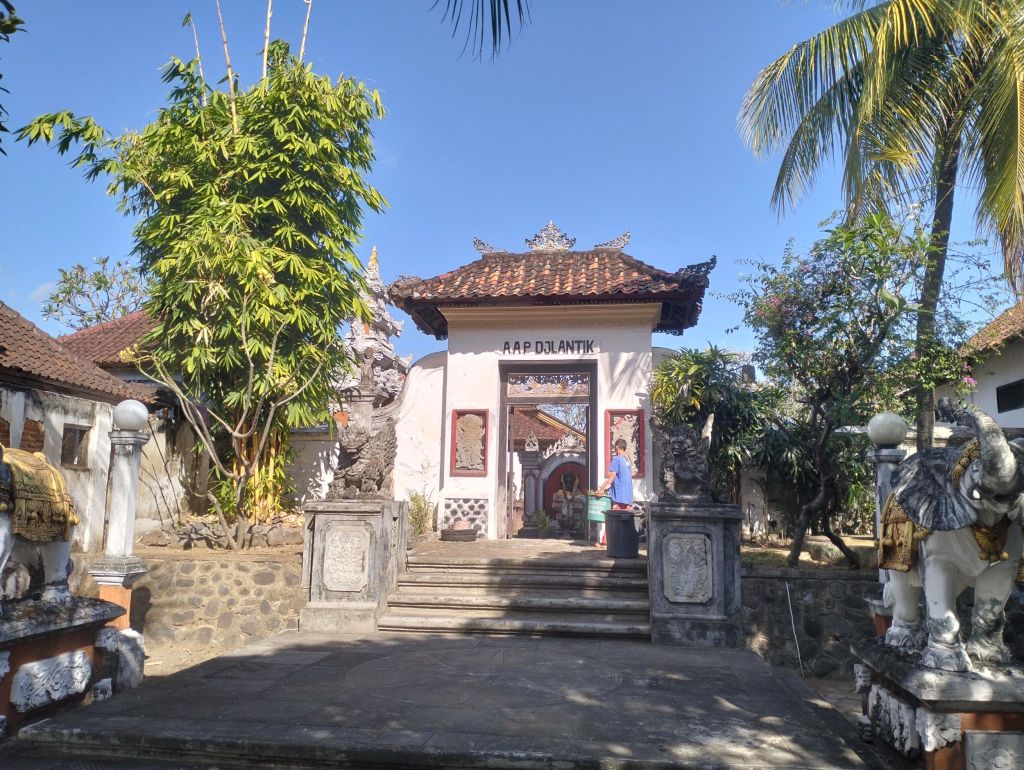
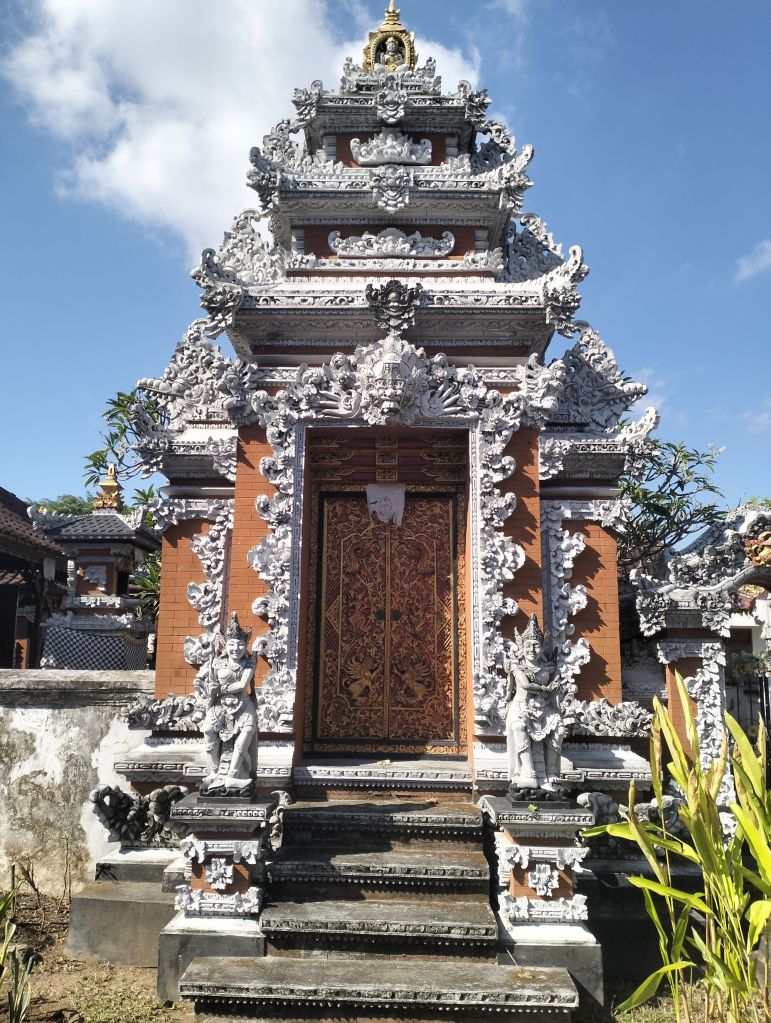
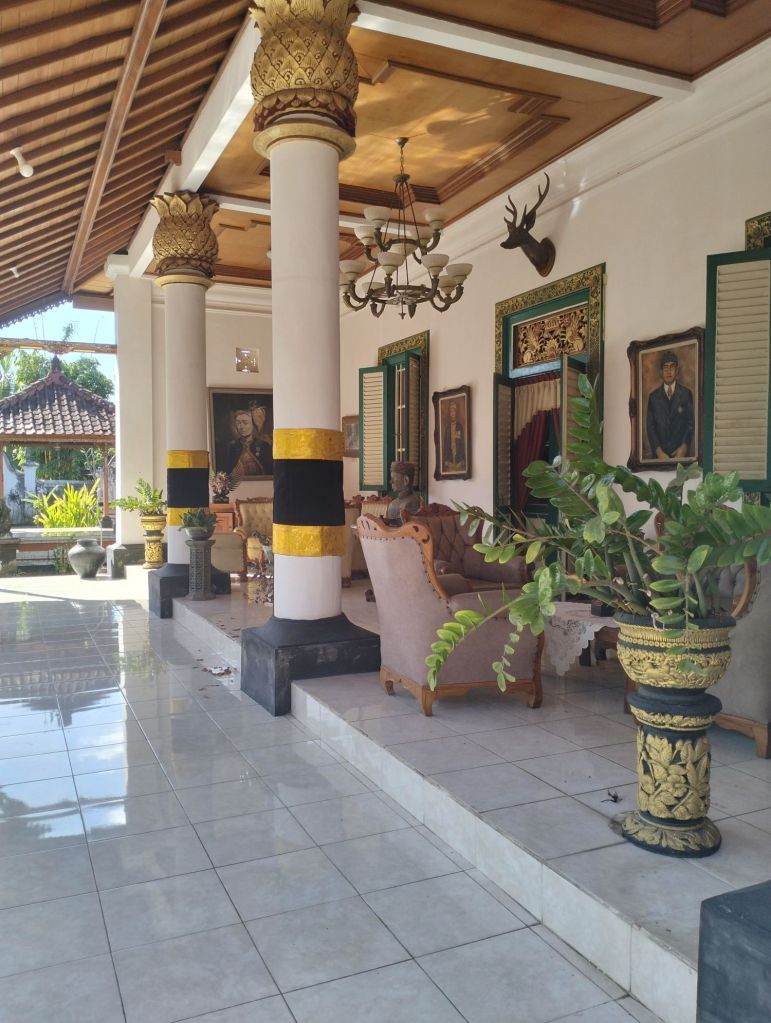
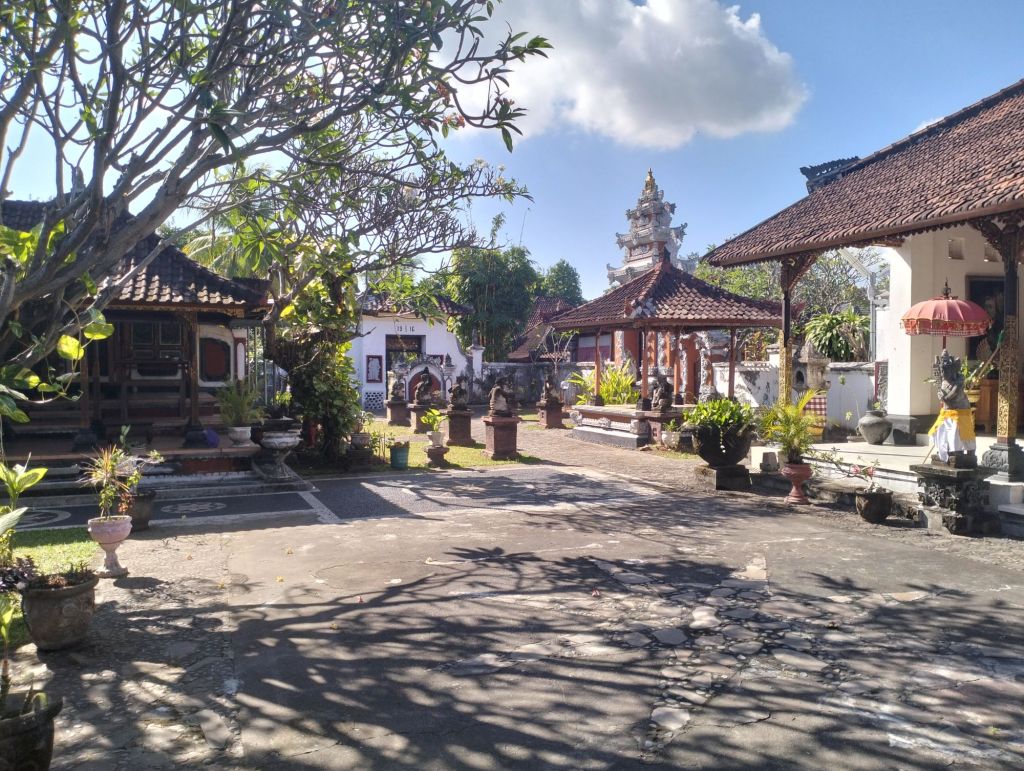
Buleleng used to be a kingdom and a long line of the royal family lived in the Puri Agung and goes back for 400 years, nowadays it is a museum and you can visit the palace, it is a modest complex there is some staff but they don’t speak English but they will give you a flyer with information about the palace which is actually an interesting story. The last king (Raja), Anak Agung Panji Tisna, who reigned from 1944 to 1950 was also an famous novelist on Bali and he was the founder of Lovina tourist hotel and was the last person to hold the title, and indeed this is the same man who founded the area with the name Lovina.
Gedong Kirtya
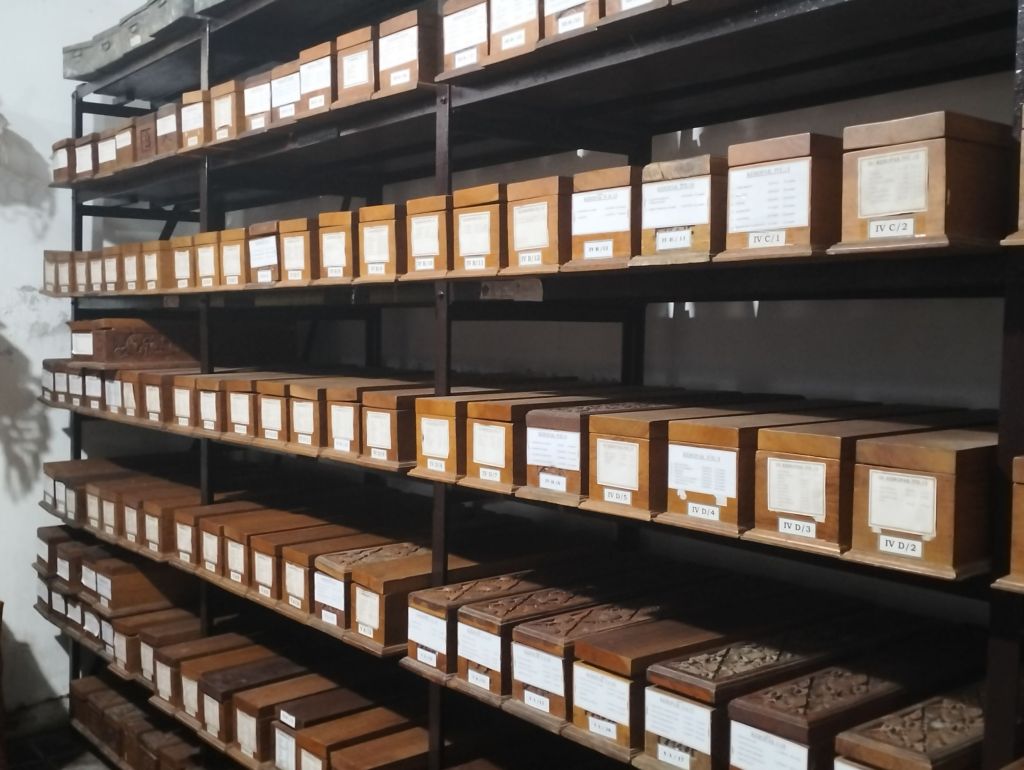
The Gedong Kirtya library is located around the corner of the palace and is the only library in the world where palm leaf manuscripts (old and sacred texts in Old Balinese on leaves of the lontarpalm; borassus flabellifer are kept).
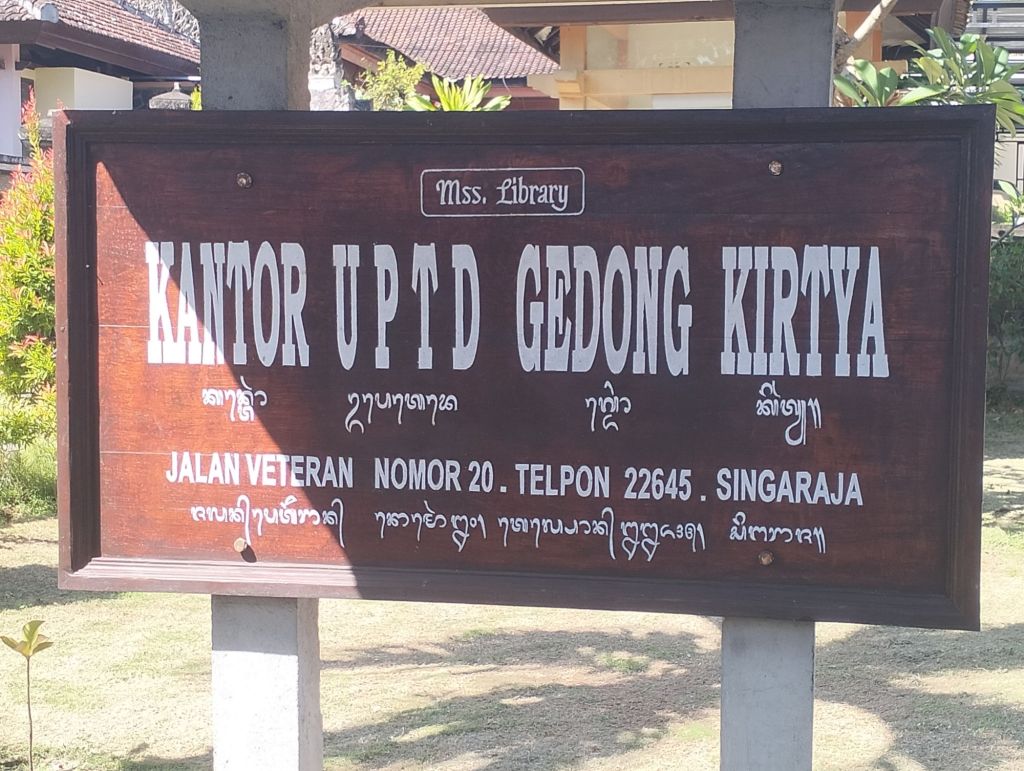
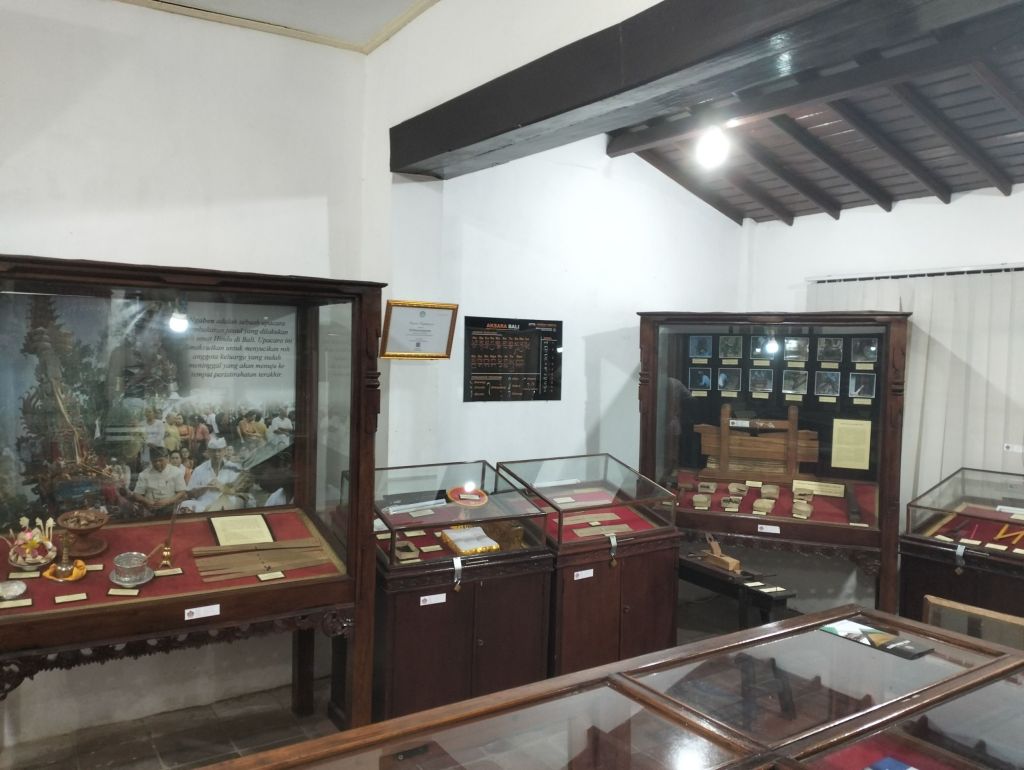
An interesting place, you will get a tour from the staff and they can speak English, entrance fee is IDR 25.000.
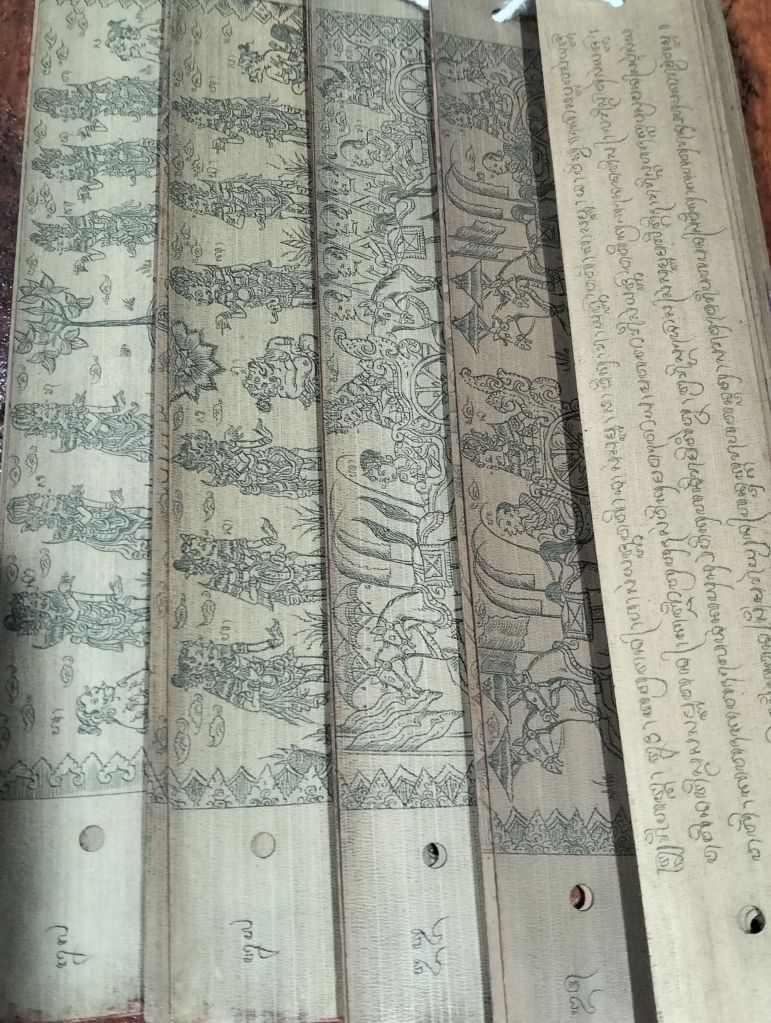
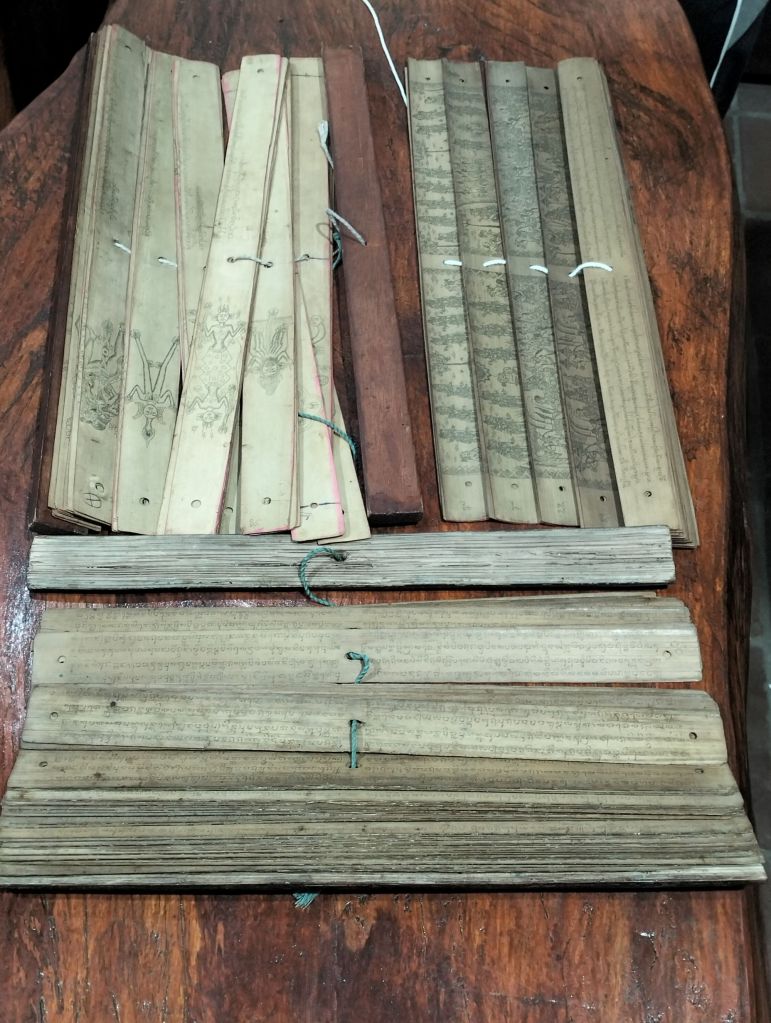
Buleleng Museum
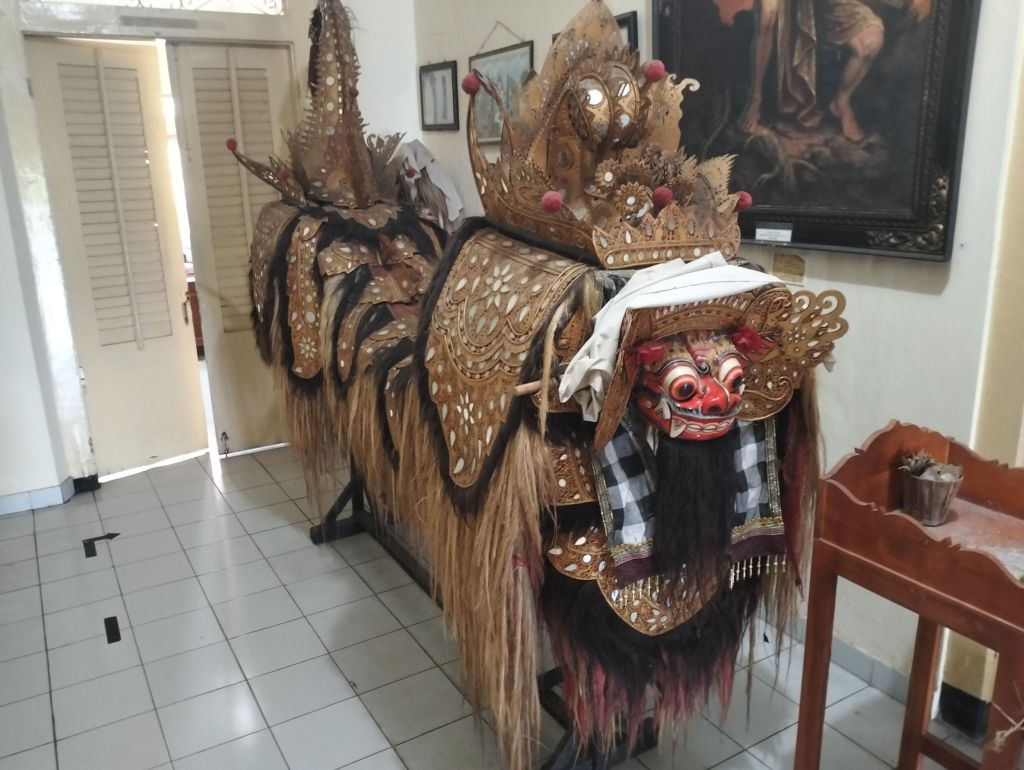
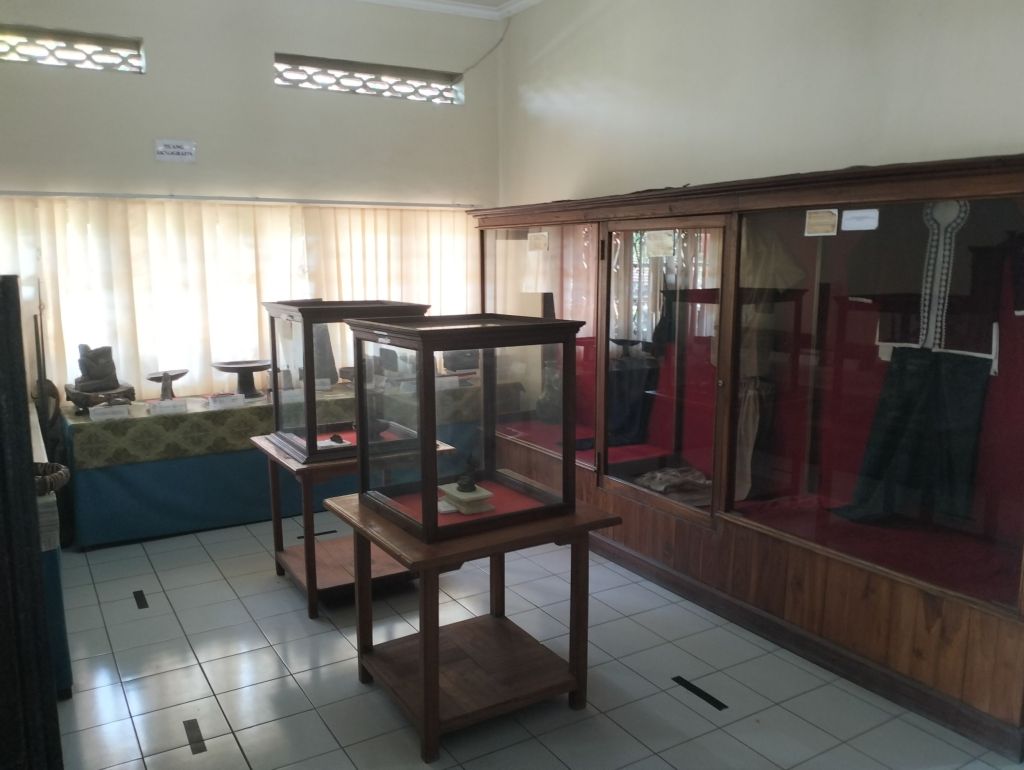
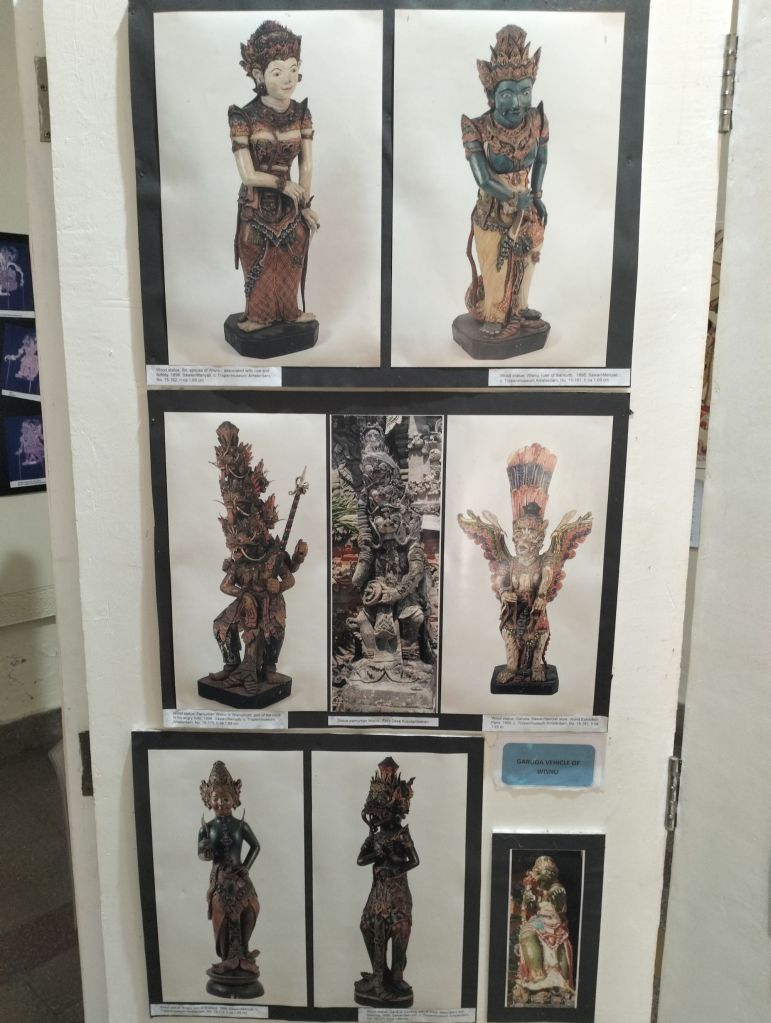
Next to the Gedong Kirtya you can find the Buleleng Museum with many old objects and pictures, it tells more about the tradition and culture but also a bit about the history. Entrance fee is IDR 10.000.
Chinese temple
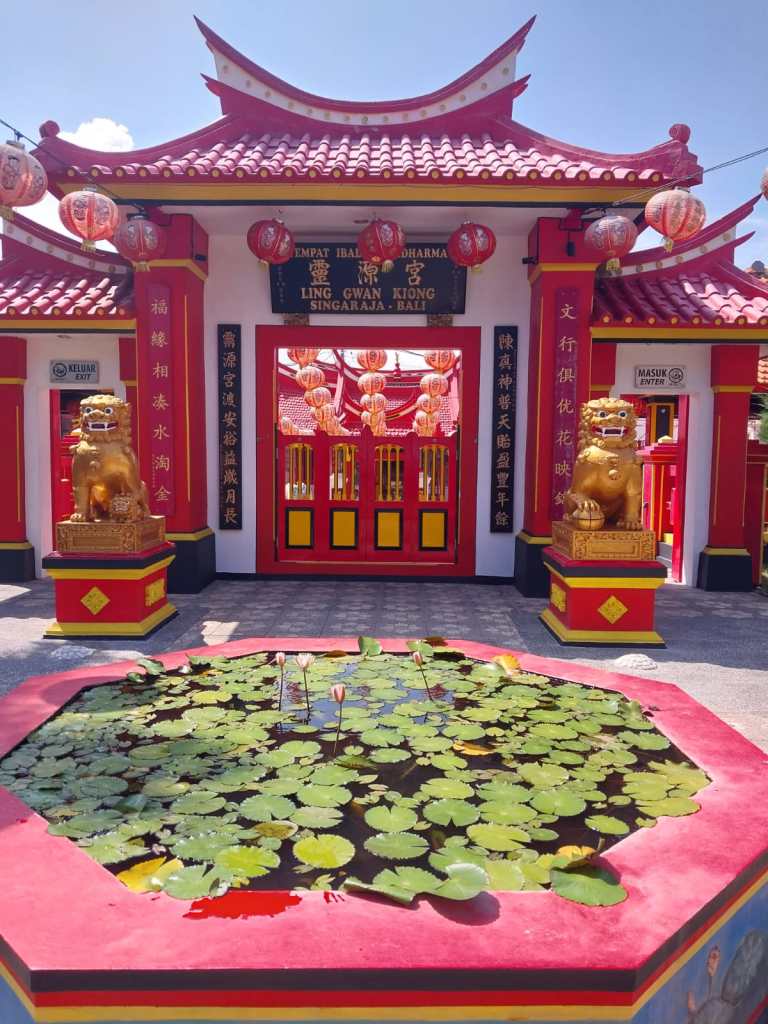
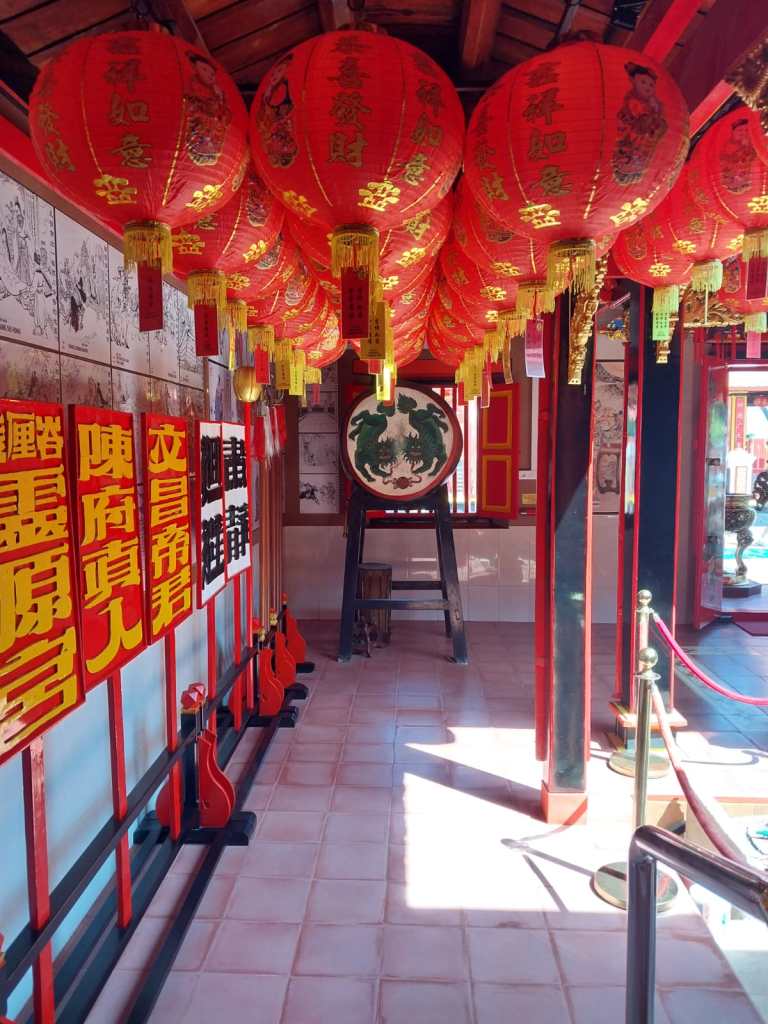
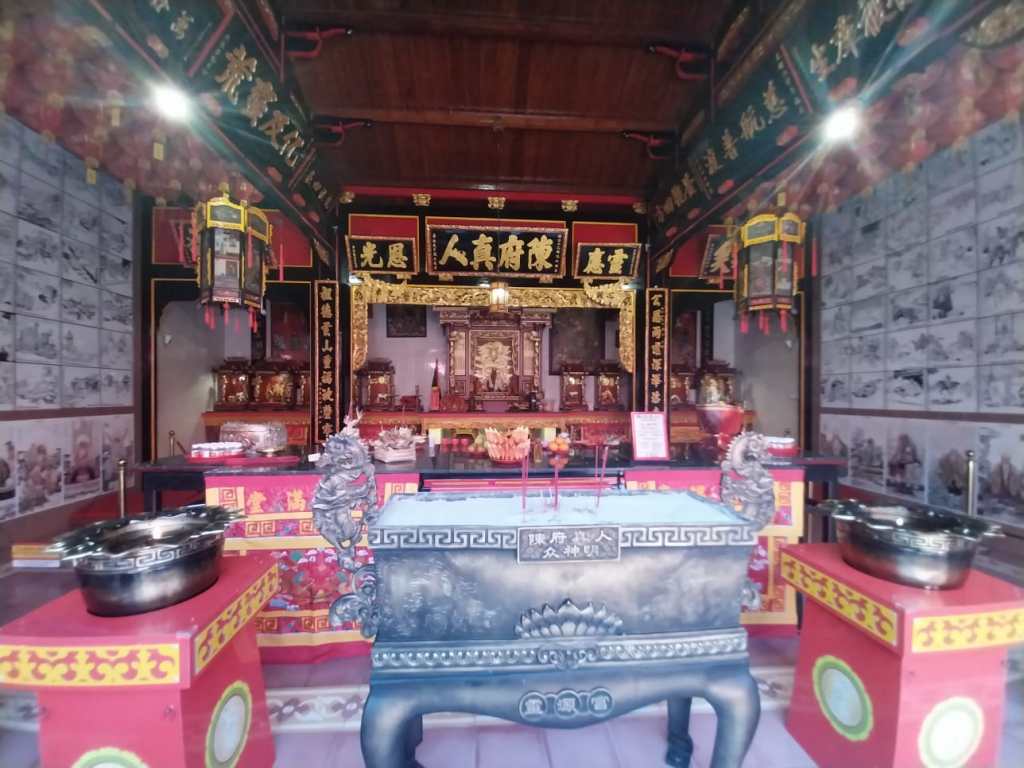
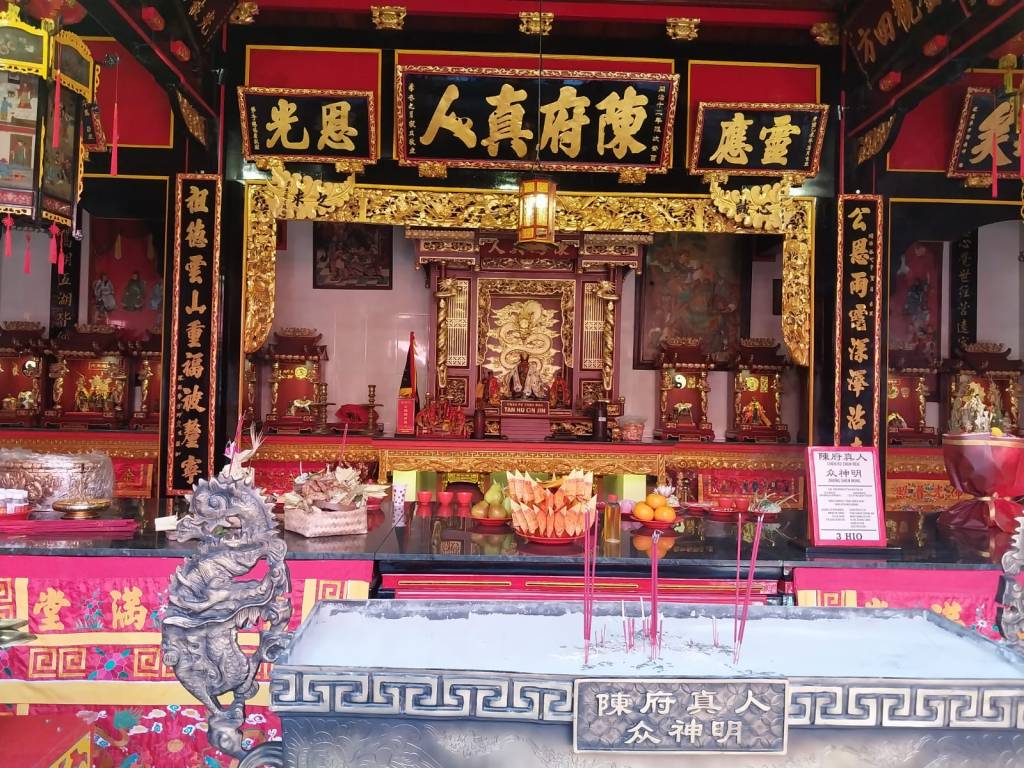
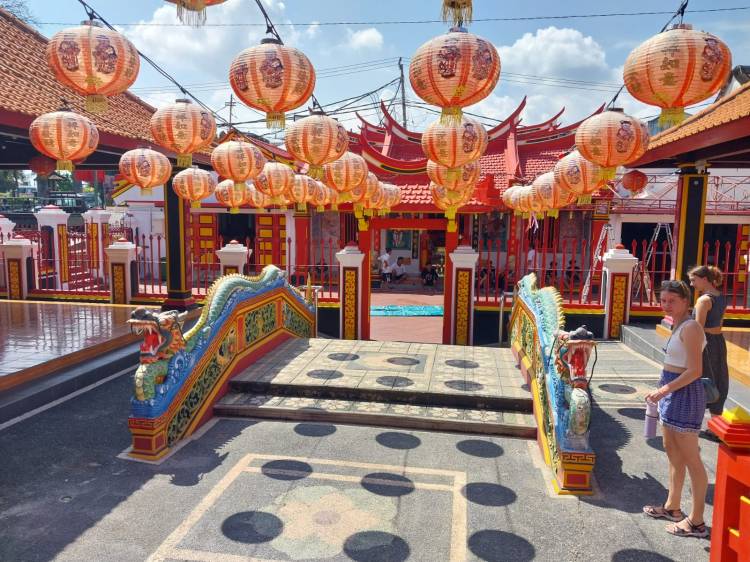
Besides the many Hindu temples on Bali there are also Chinese temples, like the one in Singaraja called Ling Gwan Kion, located at the entrance to the old harbour. Click here for the exact location.
It is one of the few and most colourful Taoist temples in Bali, built in 1873, making it one of the oldest Chinese shrines in the region.
The temple stands out for its bright red and yellow colours, hand-painted doors, and beautiful courtyard with a lotus pond teeming with koi fish.
You’ll find murals depicting stories from Chinese mythology, and large turtles roam freely in the courtyard.
It is a “Tri Dharma” temple, meaning it is a place for Buddhism, Taoism, and Confucianism.
Admission is free, but a donation is appreciated. Shoes must be removed before entering the interior. In recent years an extensive renovation has taken place which is now completely finished.
Market in Singaraja
A visit to the local market is definitely recommended, where fresh fruit, fresh fish, spices and other items are sold every day, it is a colourful event.
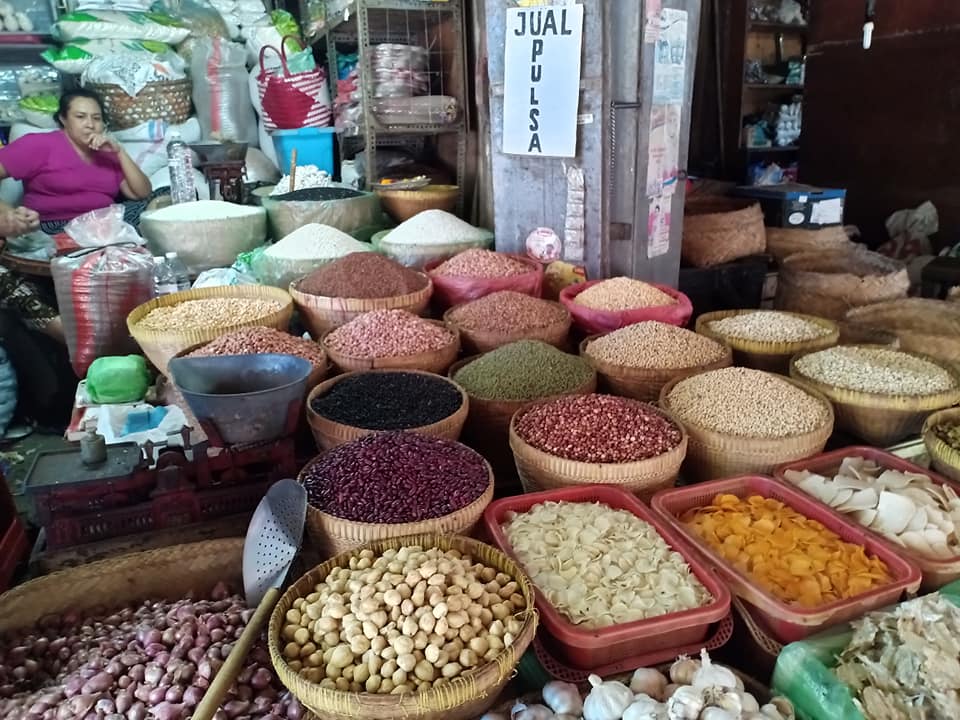
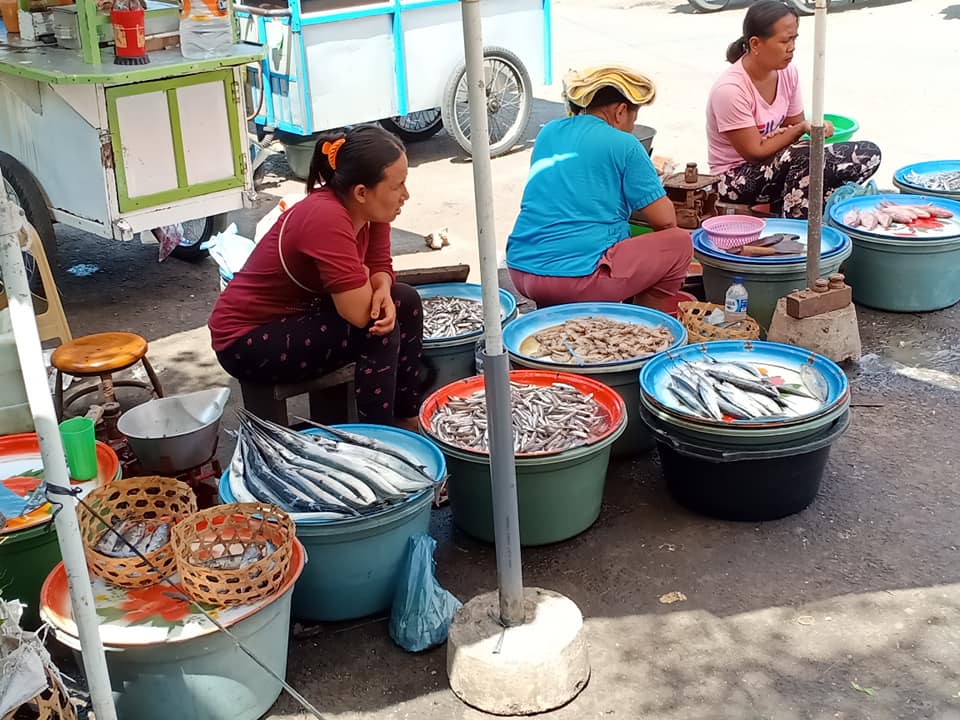
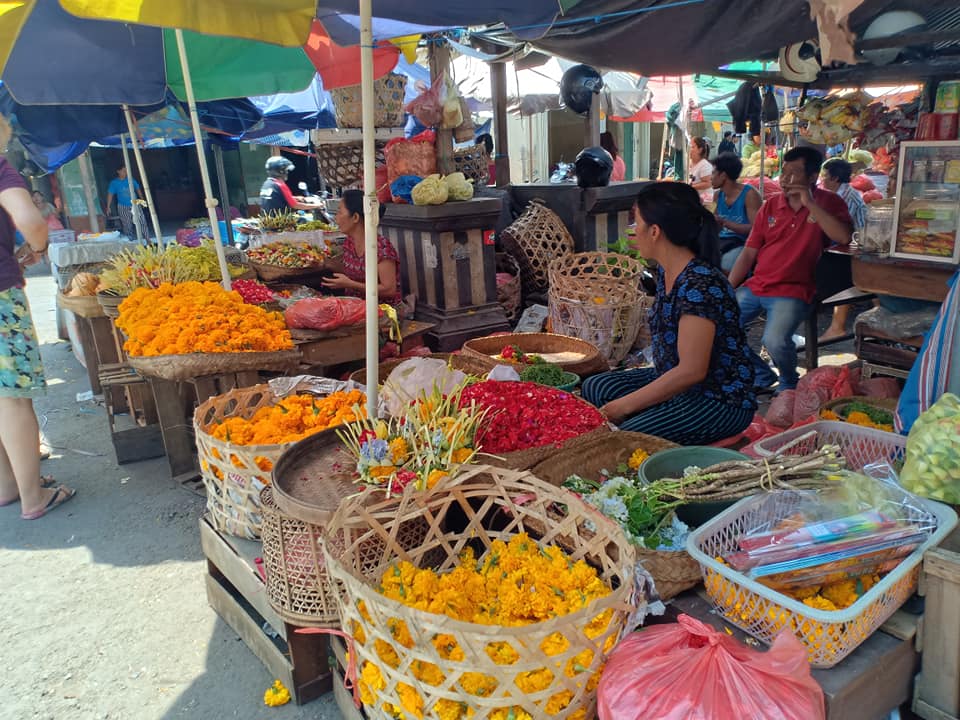
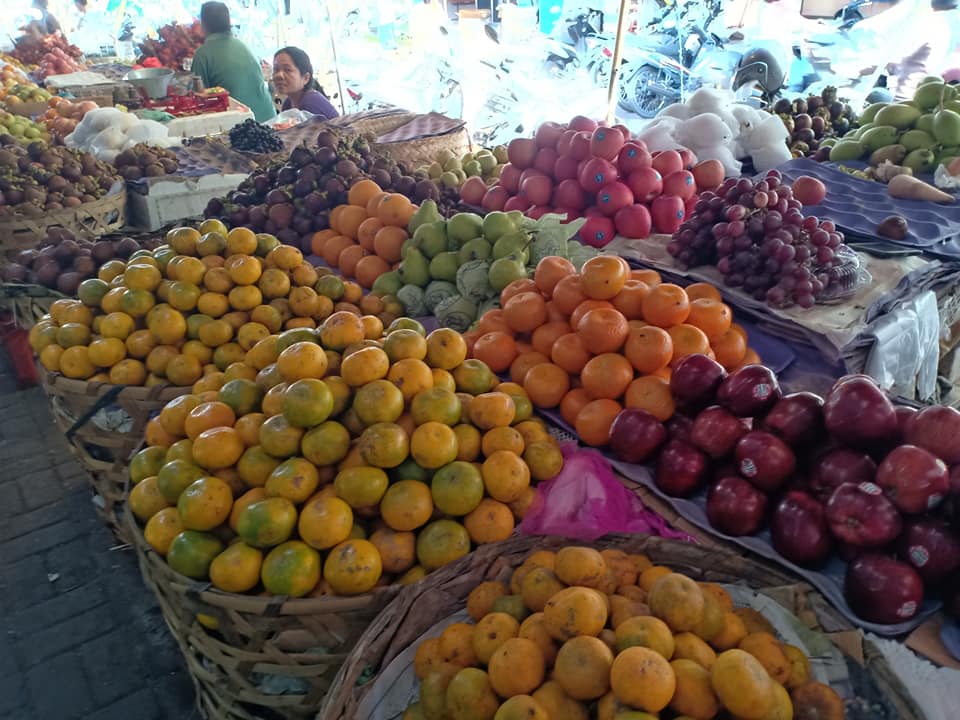
The traditional market is still there, but a part of it was moved in 2022 to a new market building in Banyuasri on the west side of Singaraja.
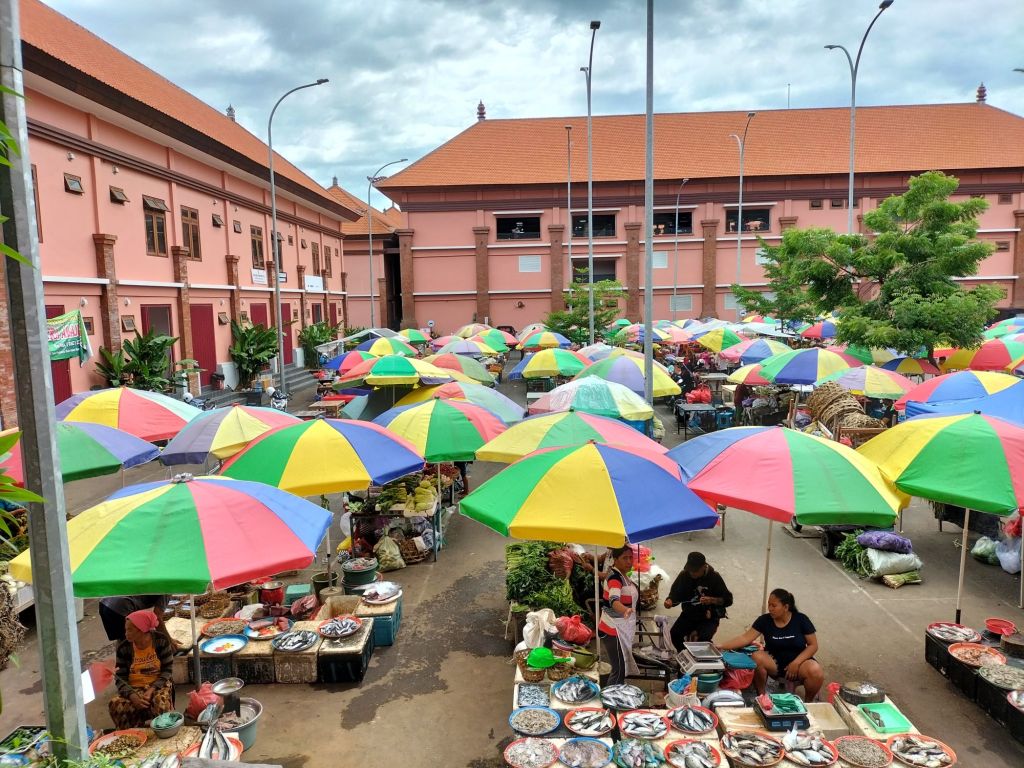
You can also enjoy delicious (local) food at the Banyuasri market, there are many eateries on the east side near the bemo station.
The old harbour
In the old harbour there is a pier, there are a variety of restaurants located which serve fresh fish for local prices.
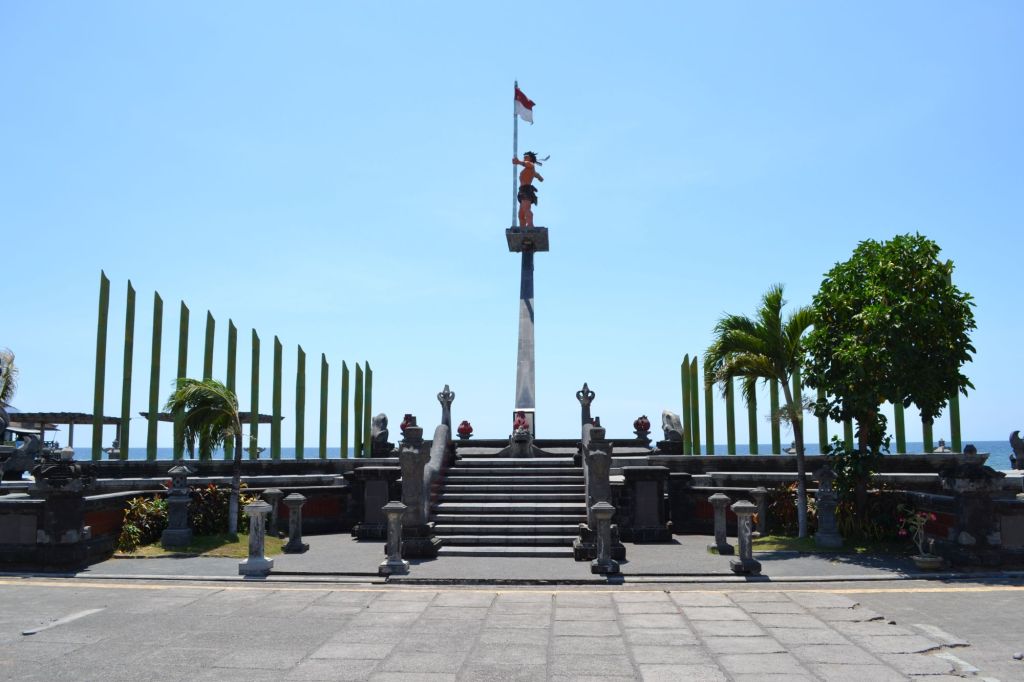
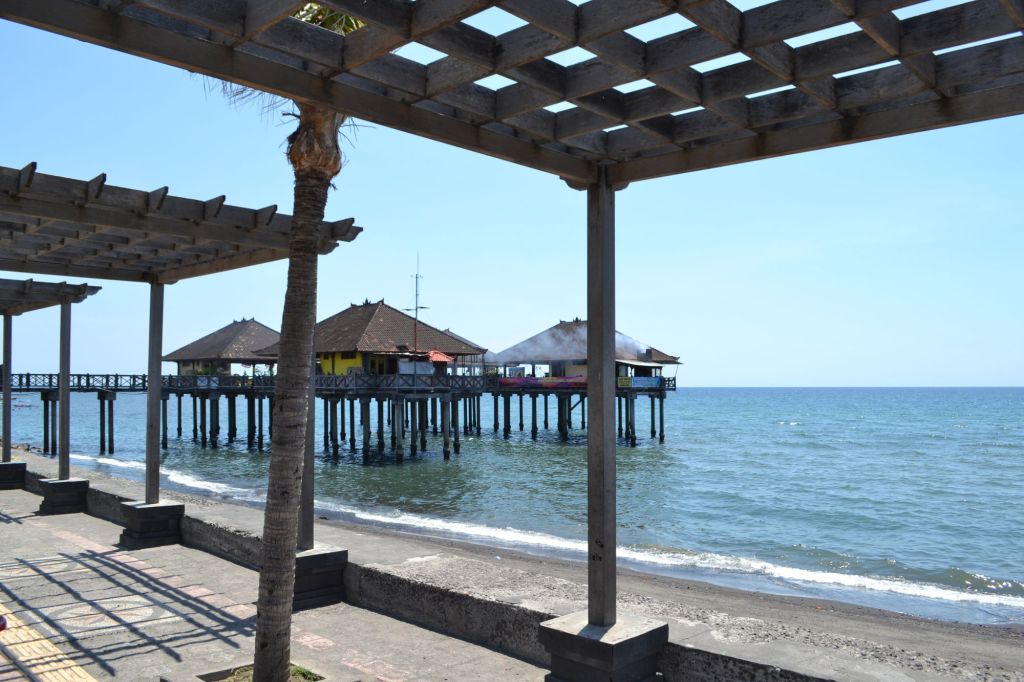
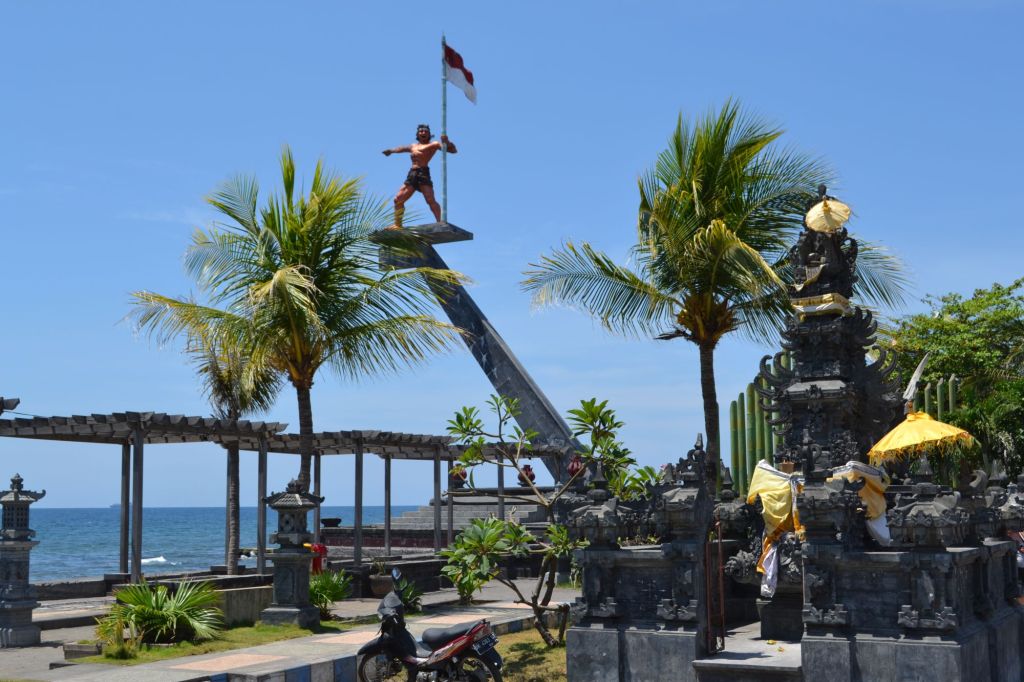
The statue in the harbour is from I Gusti Jelantik, the war hero of the Jagaraga war of 1848 with the Dutch.
Titik 0 Singaraja : The historical and cultural heart of North Bali
If you want to understand the rich history of Bali’s former colonial capital, there is no better place to start than at Titik 0 (Kilometer Zero). This monumental point is located at the city’s central intersection, directly surrounding the iconic, winged lion statue (Tugu Singa Ambara Raja) and right in front of the impressive Kantor Bupati Buleleng (the regent’s office). Geographically speaking, this is the spot from which all distances in the region have traditionally been measured, but today it has been transformed into the bustling heart and the coziest living room of the city.
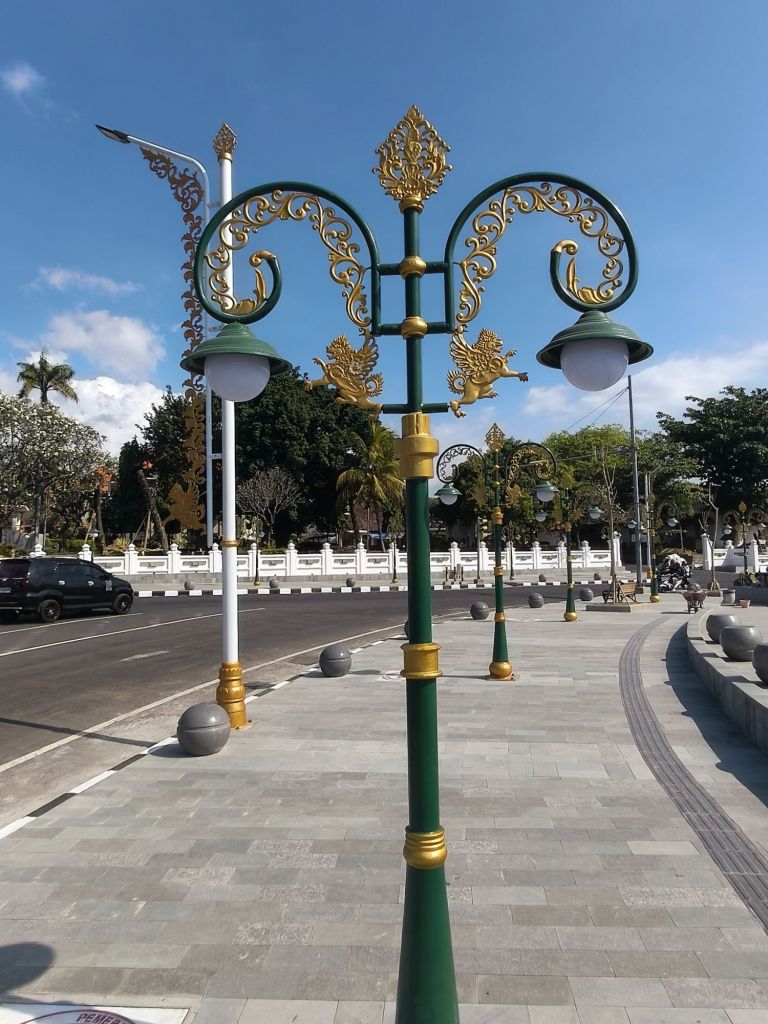
The large-scale revitalization of Titik 0 has changed Singaraja’s streetscape by introducing wide, barrier-free sidewalks, characteristic street lights and comfortable benches. The renewed pedestrian promenades around the zero point have been completely leveled and made barrier-free to increase accessibility.
Classic, cast-iron street lights have been placed along these walkways in a nostalgic style that complements the historical architecture. This lighting ensures that the square is beautifully illuminated after sunset. To give the area a true community function, benches have been placed everywhere on all sides of the intersection and under the shady trees.
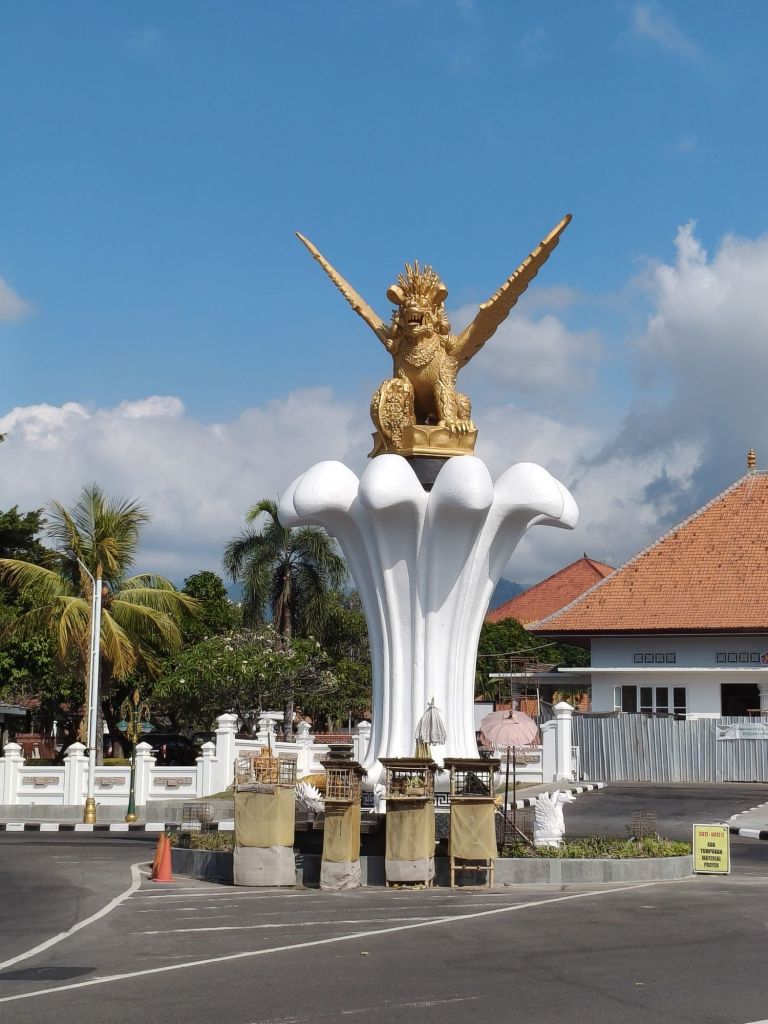
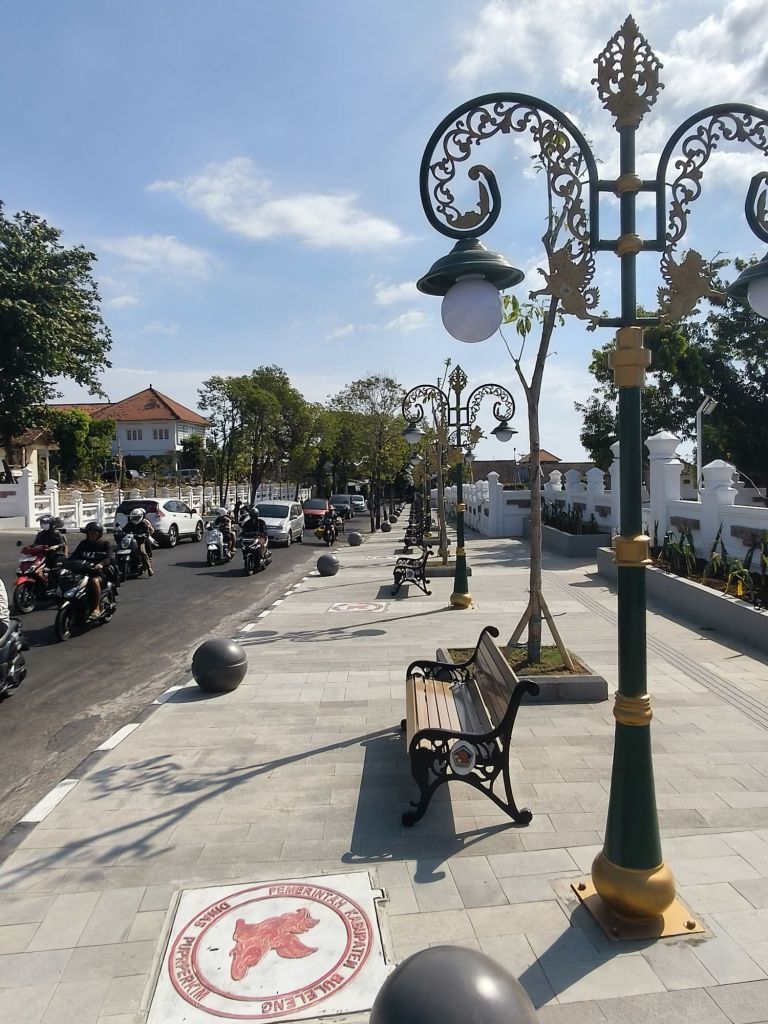
The large-scale revitalization of Titik 0 by the local government is a deep nod to the past. Singaraja was the official capital of all Bali until 1958. To protect the colonial history and the iconic lion statue – the proud symbol of the Buleleng region – it was decided to completely renew the area. Additionally, the government wanted to address the clutter and heavy traffic at the intersection. By removing the old walls and fences around the government buildings, the barrier between the administration and the people has literally been reduced. The goal was to return the public space to citizens and travelers, turning it into a central, safe public space (ruang publik) where culture and community come together.
Gedung Laksmi Graha
The modern square is completely flat, spaciously laid out, and equipped with wide pedestrian promenades. At the edge of the square, you will find the beautifully renovated Gedung Laksmi Graha. This grand building, with its refined Balinese details, has been transformed into a hyper-modern center for local culture and entrepreneurship. Within its walls, local entrepreneurs from Buleleng are given a wonderful stage to present their handwoven textiles, North Balinese art, and typical local delicacies.
If you take a close look at the buildings around the zero point, you will also see that the architecture tells a unique story. The facades and the characteristic stained-glass windows are a tangible reminder of the Dutch colonial past. This Western architecture blends beautifully with the expressive, decorative ornaments of the traditional North Balinese architectural style.
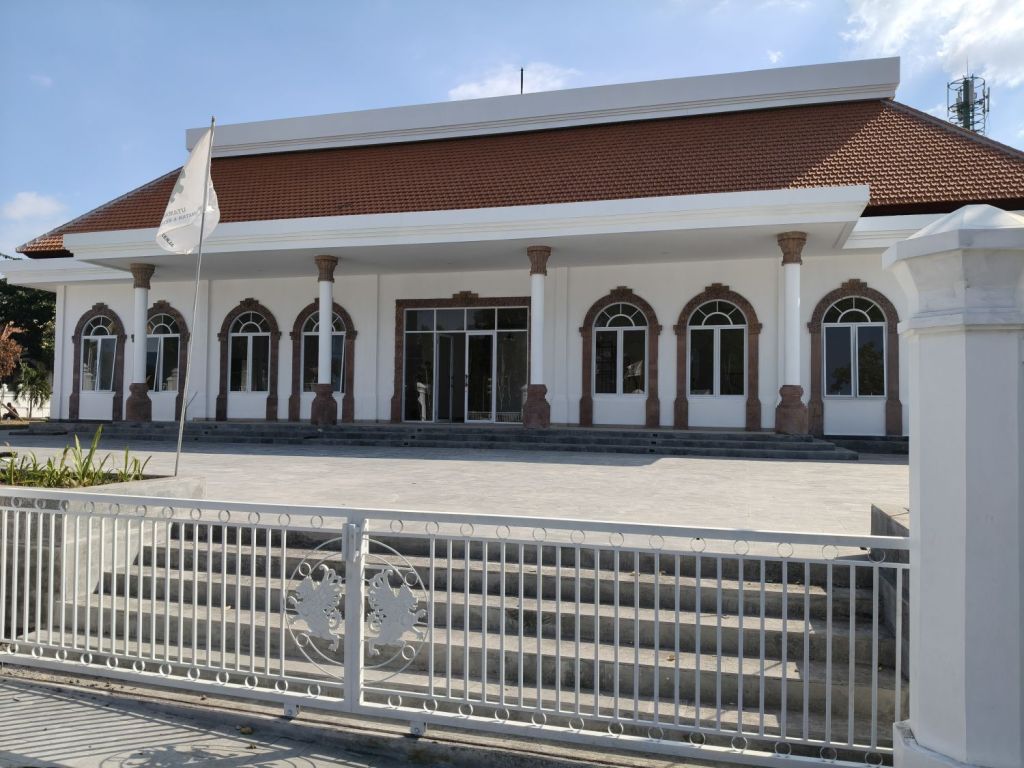
The striking stained-glass windows you see here were not chosen by the Dutch master builders solely for their aesthetic beauty and European allure. They also served a highly practical purpose in Singaraja’s tropical climate: the colored glass filtered the bright, intense sunlight, providing the grand interior spaces with a soft, colorful glow without making the rooms unbearably hot. Combined with the thick brick walls and high ceilings, this colonial building method provided a natural cooling effect in a time before air conditioning existed.
Taman Makam Pahlawan Curastana
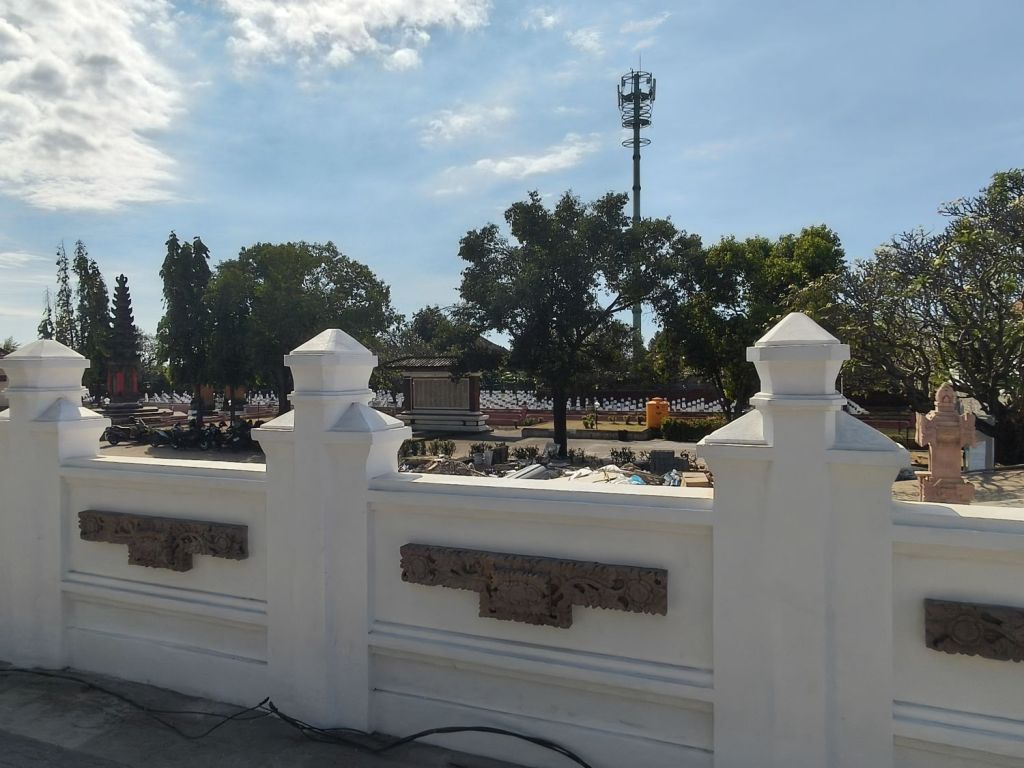
This is Singaraja’s official military cemetery of honor, located on Jalan Pahlawan directly west of the central zero point and the regent’s office. The cemetery was officially opened on August 17, 1950, exactly five years after the Indonesian declaration of independence.
Its establishment was intended to provide a final and honorable resting place for the local freedom fighters from the Buleleng region who fell between 1945 and 1949 during the Indonesian National Revolution in the struggle against Dutch colonial troops. The opening of the complex at the time coincided with a large-scale, ceremonial transfer and the collective cremation of the ashes of these fallen fighters.
Rumah Jabatan Bupati Buleleng
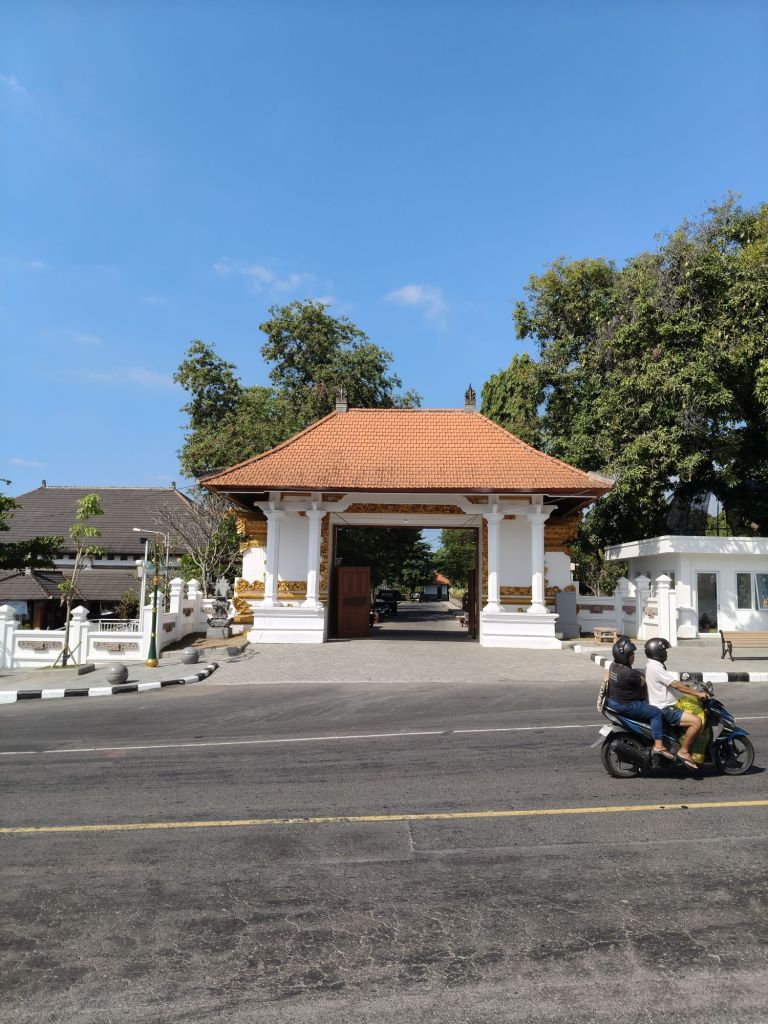
This is the official residence of the regent. This historical complex now forms a beautiful and open part of the revitalized culture zone. Where a high, closed wall previously blocked the view entirely, that barrier has now been completely removed. The ceremonial front yard has been transformed into an inviting public city garden, allowing the grounds to merge seamlessly into the wide pedestrian promenades of the zero point. For travelers and photographers, the grand white-and-gold entrance gate is a fantastic example of colonial-Balinese cultural blending (acculturation). In its architecture, you can clearly see how the clean, symmetrical base and the smooth neoclassical pillars are purely European. On the other hand, the orange tiled roof and the lavish, golden ornaments on the corners carry the proud and expressive signature of the North Balinese art style.
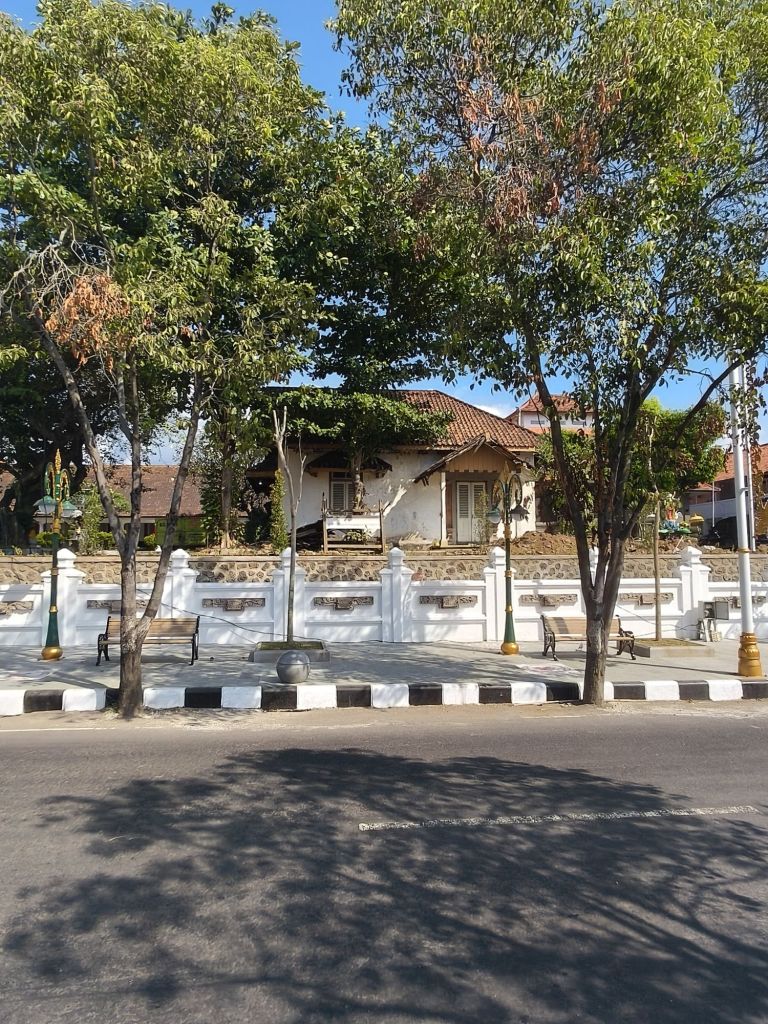
The difference after the revitalization is that old historical, colonial residential houses located on the elevated grounds directly behind the renewed wall have now become visible. This property is a classic example of the old architecture in Singaraja, which can be immediately recognized by its thick white washed walls, traditional tiled roof, and characteristic tall doors with wooden shutters.
Going by car is an option, you could also go on the motorbike (guided tour is possible) and if you don’t want to drive the motorbike you could go on the e-bike, which you can rent with Bluetour Motorbike rental.

