Nestled in the seaside village of Sangsit, east of Singaraja, within the Sawan District, Pura Beji Sangsit rises from the coastal plains as a breathtaking monument to North Bali’s artistic genius. While southern Balinese temples favor minimalist lines and open spaces, this 15th-century sanctuary embodies the dramatic “Northern Rococo” style. Virtually every square inch of its soft, pinkish-white sandstone walls is alive with movement, deeply carved into three-dimensional vines, blooming lotuses, and fierce mythical guardians that seem to burst from the stone.
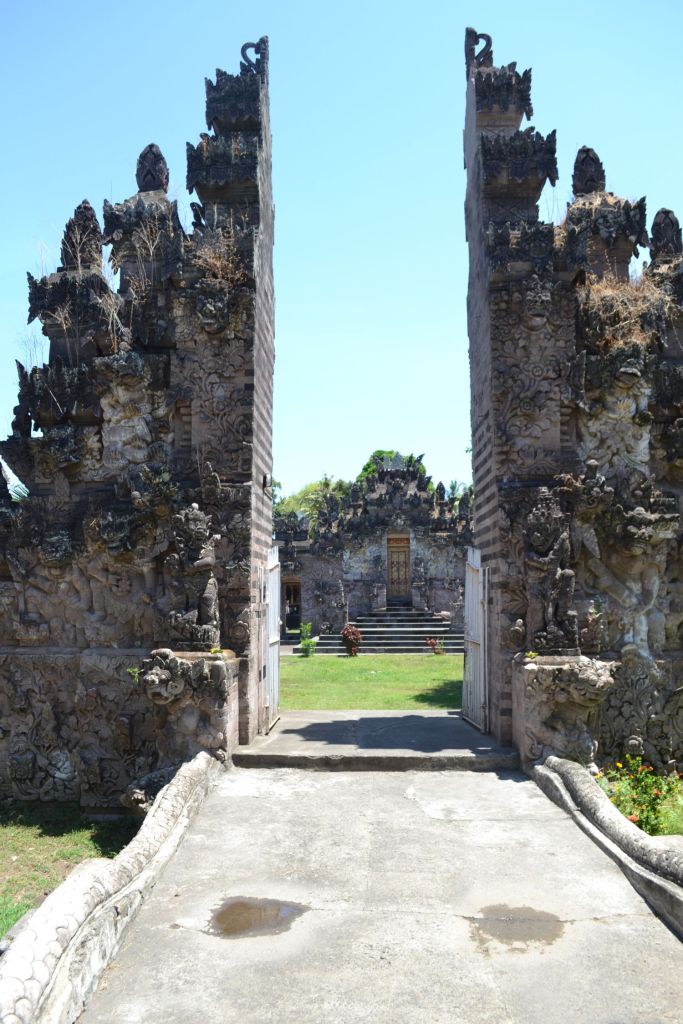
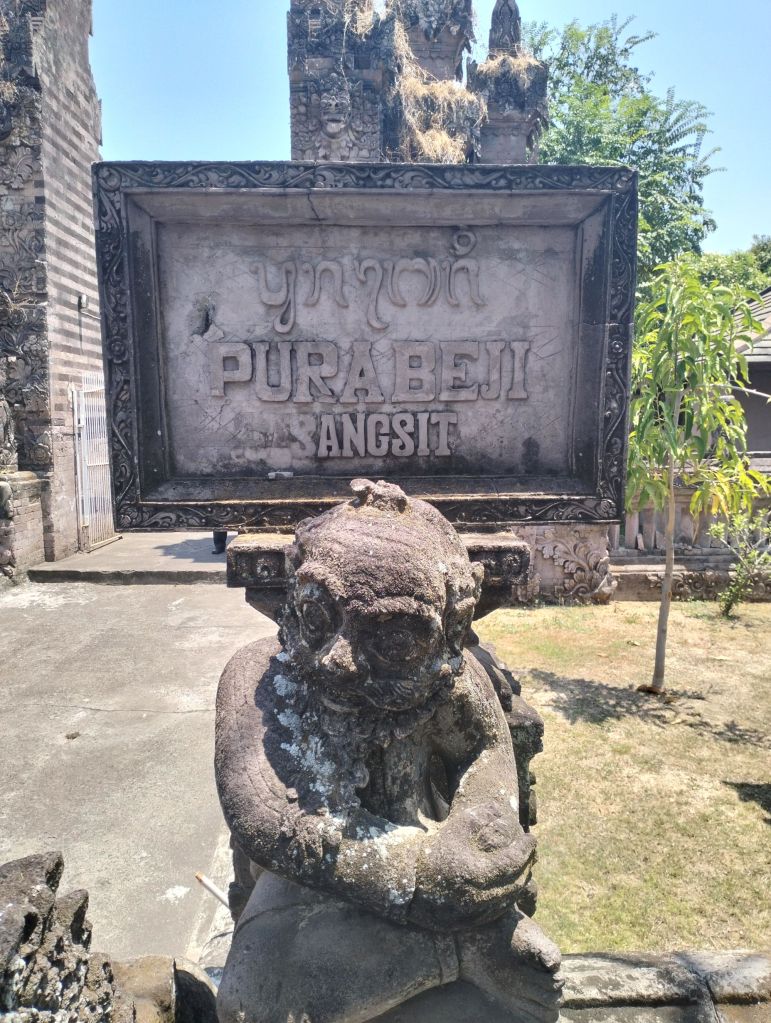
The temple’s origins are deeply intertwined with the expansion of the Majapahit Kingdom and the vital agricultural traditions of the region. Built as a Pura Subak, it was constructed directly over an ancient subterranean freshwater spring—the word Beji itself translating to a sacred purification well. For centuries, local farming communities have gathered here to honor Dewi Sri, the Hindu goddess of rice and fertility, offering prayers to ensure that the vital waters flowing beneath the temple would bless their crops and bring prosperity to the village.
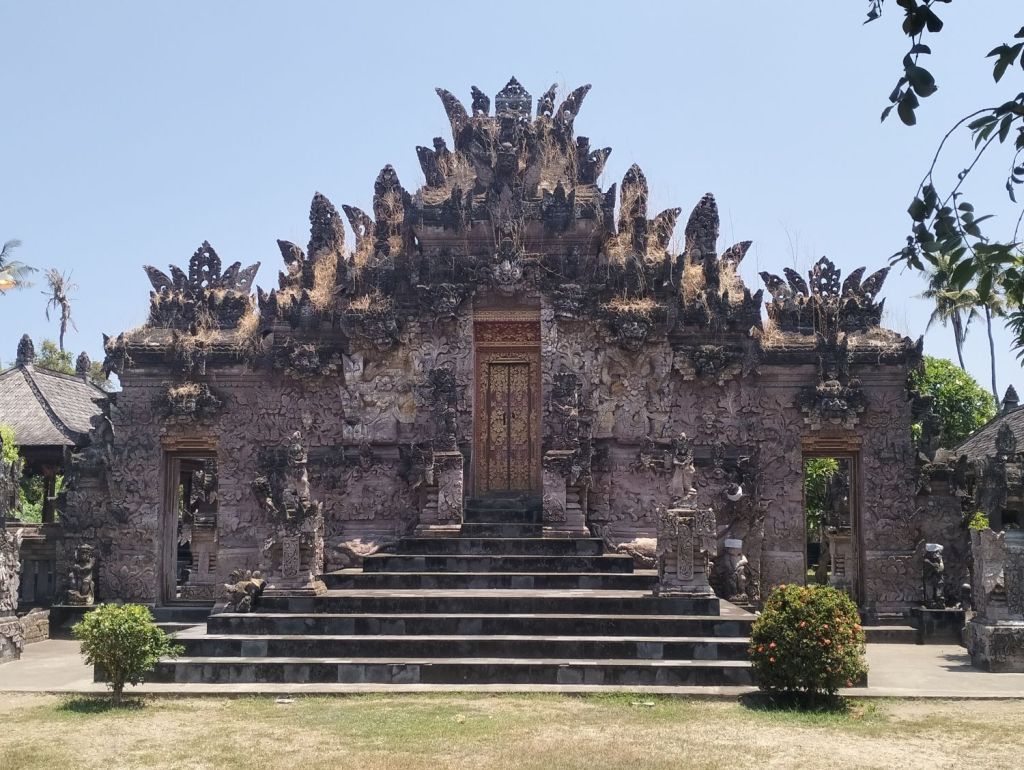
It is not a big temple and not really known by tourists, but indeed a very beautiful and unique temple because this temple is made of sandstone.
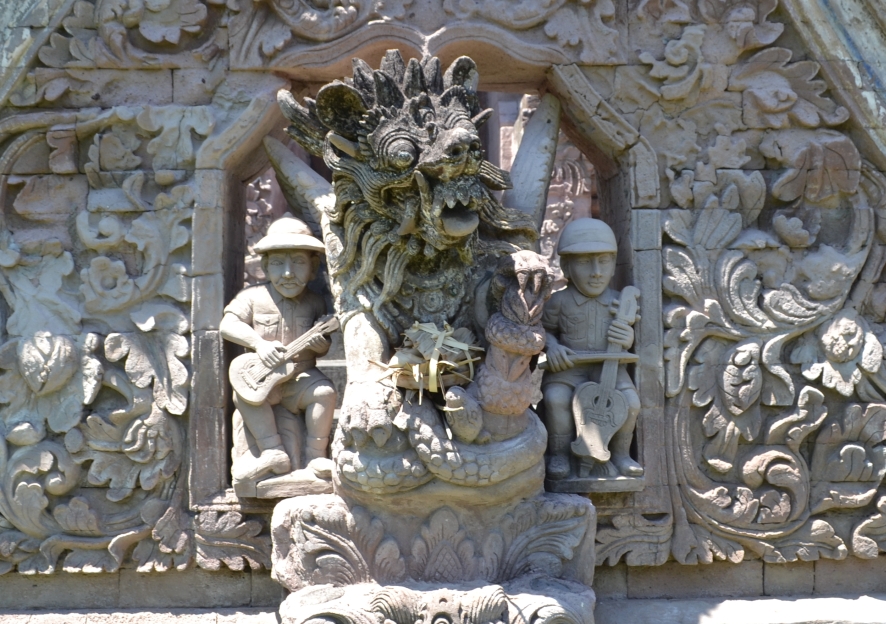
Pura Beji is built in the typical northern Bali style. Shrine bases and the white sandstone walls surrounding the temple are covered in foliage-like carvings e.g. vine motifs or figures of flowers, a feature that can only be found in northern Bali. Traces of colors have been discovered in these carvings, which indicate that the temple have been painted. Intact statues of demons and guardian nagas inspired by Hindu epics decorate the stone staircases and the walls.
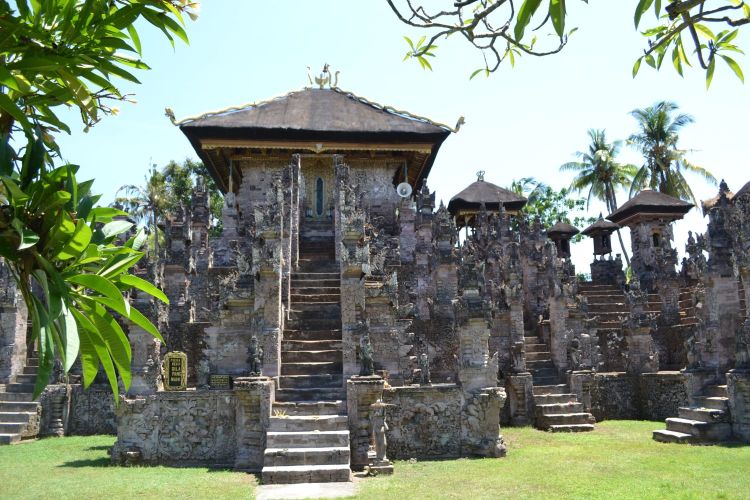
The temple dates from the 15th century, the Majapahit era, the local farmers come here to pray for a good harvest and for the worship of Dewi Sri, the goddess of rice and fertility.
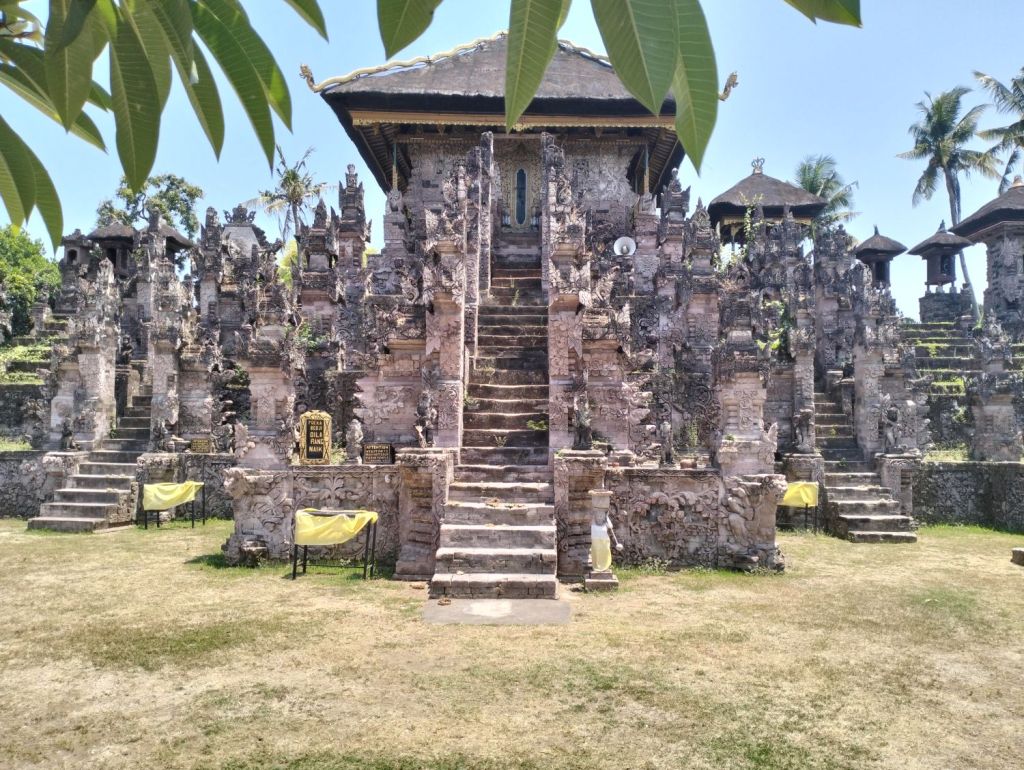
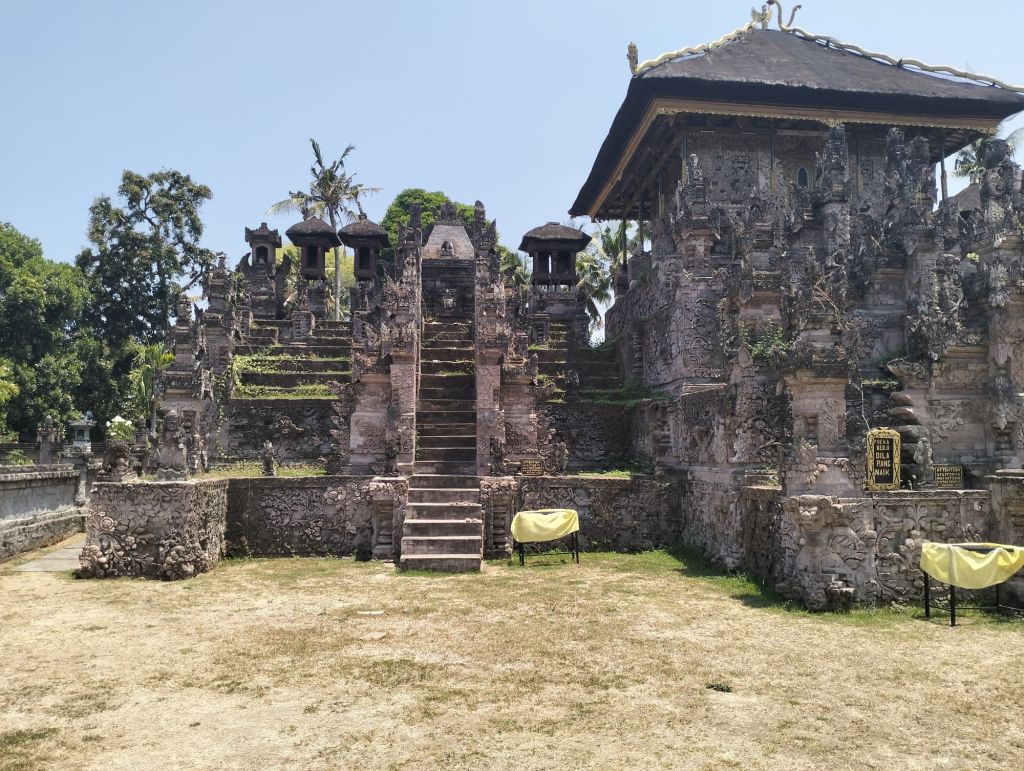
You can see that the temple is old, but the complex is reasonably well maintained. Behind the temple there are two ponds.
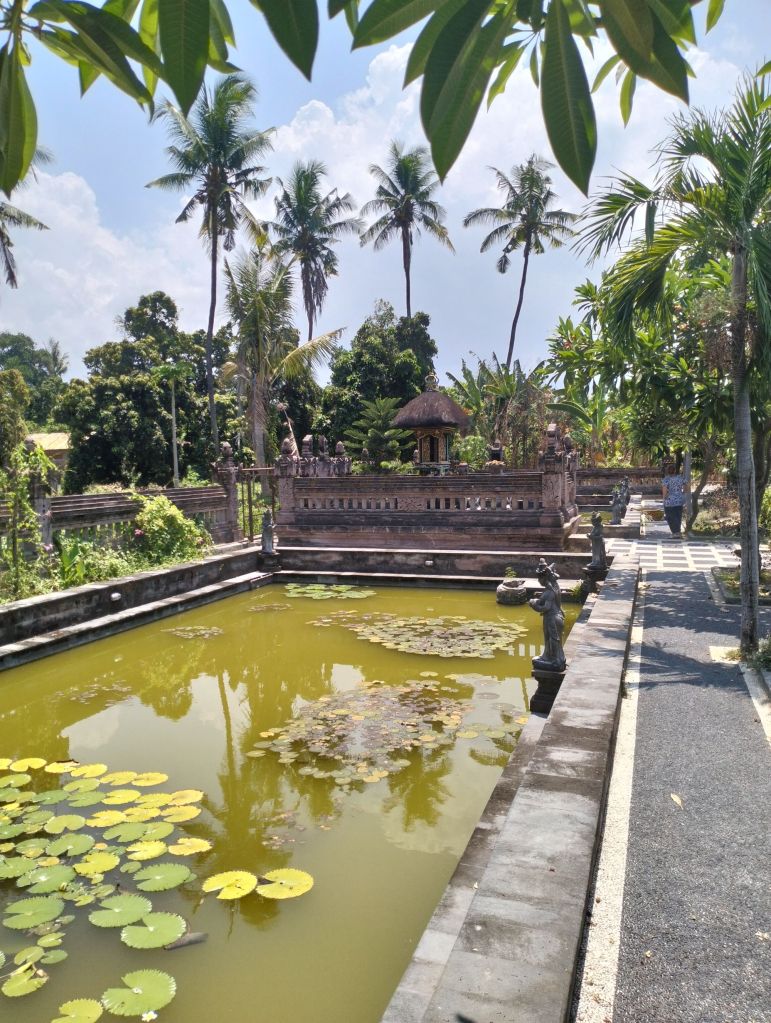
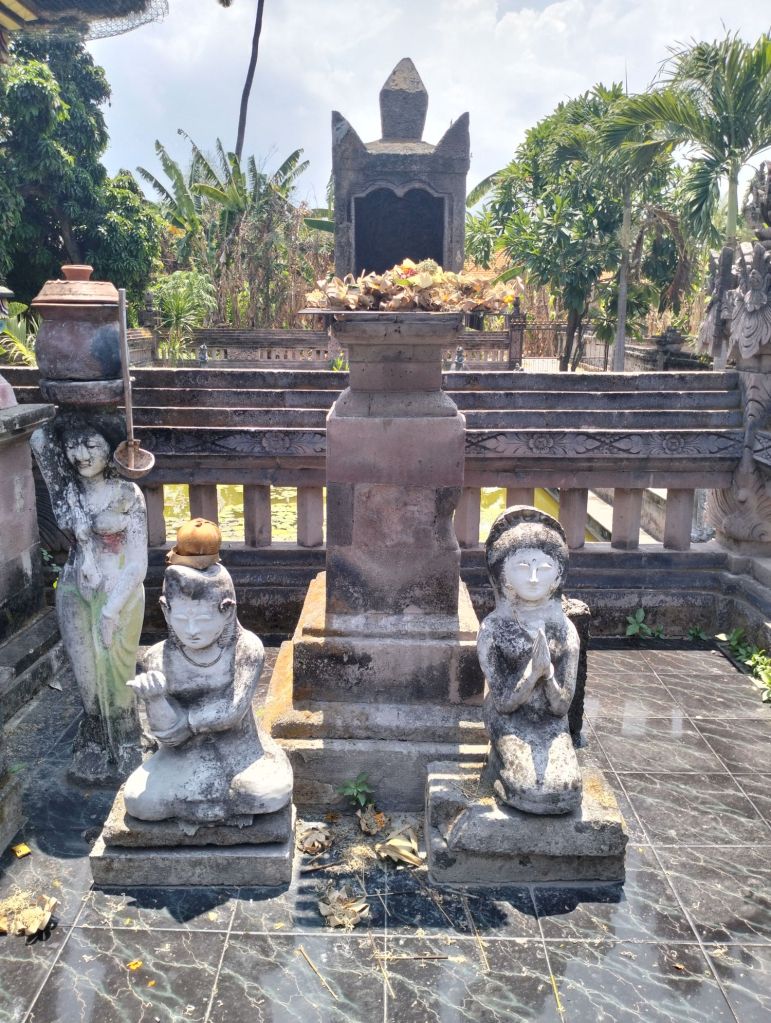
As you walk through the three traditional cascading courtyards, the history of the region reveals itself in unexpected ways. Flanked by manicured green lawns and ancient frangipani trees, the massive Candi Bentar split gates dominate the landscape. Look closely at the intricate stone reliefs, and you will spot a quirky piece of historical graffiti: centuries-old carvings depicting colonial Dutch citizens—one strumming a guitar and another playing a traditional stringed rebab. These whimsical figures serve as a permanent cultural record, carved by local artisans to commemorate historical Europeans who once assisted the village with a major temple reconstruction. Today, the temple remains a living, breathing palace of worship where the whispering ocean breeze meets centuries of devotion and unparalleled artistry.
The entrance fee for Pura Beji Sangsit is a straightforward IDR 10,000 per adult and make sure to bring a sarong when you visit the temple.

